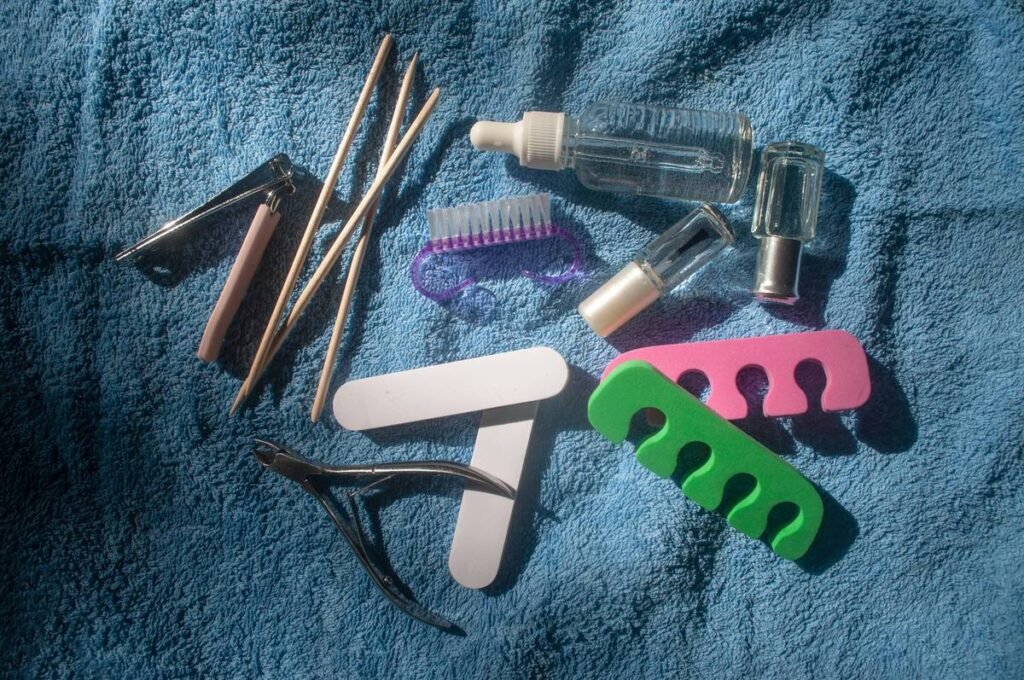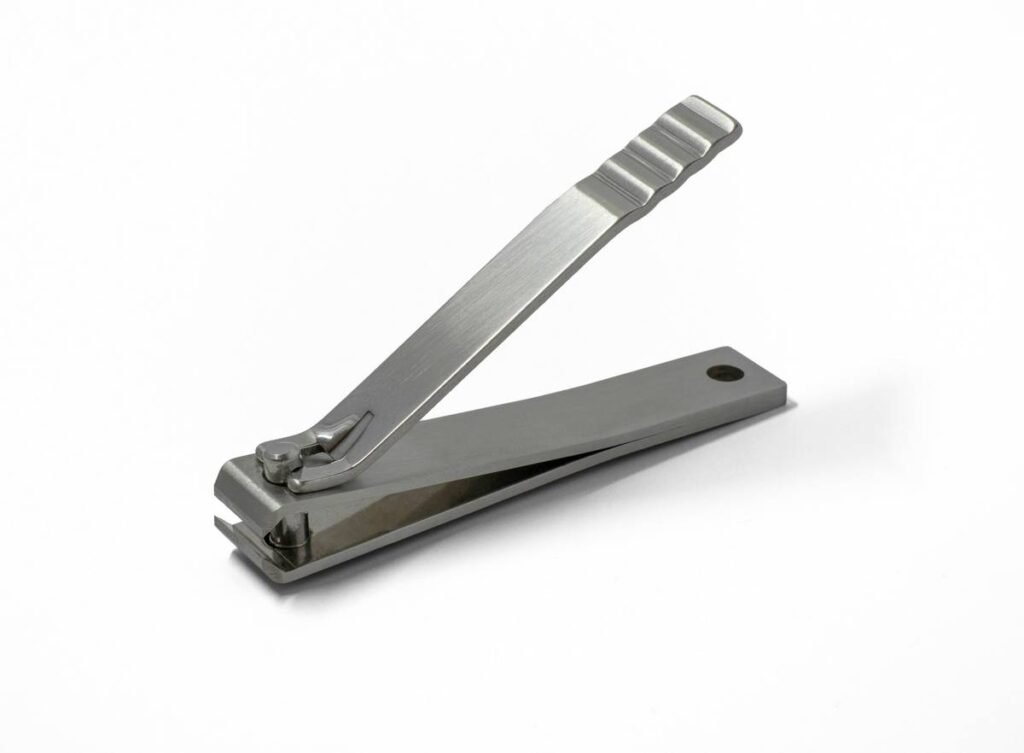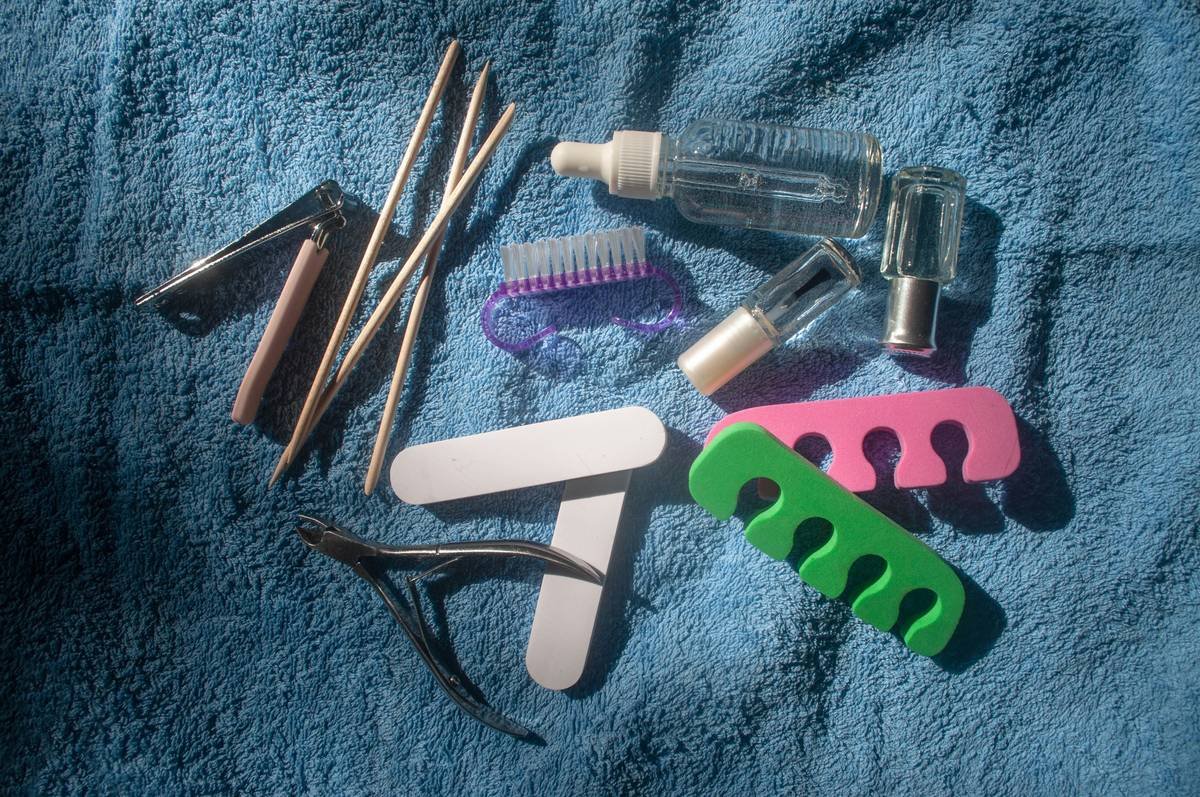
Ever nicked your cuticle because your “nail scissors” were actually repurposed kitchen shears from 2007? Yeah, we’ve all been there—bleeding over a $4 drugstore manicure kit while questioning every life choice that led us here.
If you’re serious about nail care (whether you’re a DIY enthusiast or a pro nail artist), using the right nail scissors isn’t just about aesthetics—it’s about safety, precision, and long-term nail health. In this guide, you’ll learn how to choose, use, and maintain professional-grade nail scissors, avoid dangerous DIY hacks, and understand why not all “stainless steel” labels are created equal. Plus: real-world comparisons, tool recommendations vetted by licensed nail technicians, and one terrible tip you must never follow (looking at you, YouTube hacks involving pliers).
Table of Contents
- Why Do Nail Scissors Even Matter?
- How to Choose the Right Nail Scissors for Your Needs
- Best Practices for Using & Maintaining Nail Scissors
- Real Nail Techs, Real Scissor Stories
- Frequently Asked Questions About Nail Scissors
Key Takeaways
- Nail scissors are specialized tools—not generic clippers—and require precise blade geometry for safe cuticle or hangnail trimming.
- Look for medical-grade stainless steel (e.g., 420 or 440C) with fine, sharp tips and ergonomic handles.
- Never use rusted, dull, or non-disinfected scissors on nails—risk of infection skyrockets (CDC reports nail salon infections linked to improper tool hygiene).
- Professional nail techs replace or sharpen scissors every 6–12 months depending on usage.
- Disinfect after every use with 70% isopropyl alcohol or an EPA-approved hospital-grade disinfectant.
Why Do Nail Scissors Even Matter?
Let’s get real: your average drugstore “manicure set” is basically a hope-and-prayer kit wrapped in pink plastic. I once tried trimming a stubborn hangnail with blunt, curved cuticle nippers labeled “nail scissors”—and ended up with a paper-cut-level wound that stung for three days. Not cute.
Nail scissors aren’t just tiny shears. They’re micro-surgical instruments engineered for delicate work around live tissue. According to the Journal of Cosmetic Dermatology, improper nail grooming accounts for nearly 20% of preventable paronychia cases (that painful, red nail fold infection). And the American Academy of Dermatology warns that dull tools can cause micro-tears in the skin—inviting bacteria like Staphylococcus aureus straight into your bloodstream.
So yes—your scissors matter. A lot.
How to Choose the Right Nail Scissors for Your Needs
Not all nail scissors are created equal. Here’s how to pick ones that won’t sabotage your mani game:
What type of nail work do you do?
Optimist You: “I just need something for hangnails!”
Grumpy You: “Ugh, fine—but only if it doesn’t leave me bleeding like a vampire extra.”
- Cuticle Scissors: Ultra-fine, straight or slightly curved tips (25–30mm blades). Ideal for trimming dead cuticle without damaging live tissue. Brands like Tweezerman and Kai are industry standards.
- Nail Trimming Scissors: Slightly thicker blades with blunt tips to prevent poking. Used for shaping natural nails or artificial tips.
- Hangnail Scissors: Often called “nipper-style,” but true scissors have two opposing blades—better control than spring-loaded nippers.
What material should they be made of?
Look for Japanese 440C or German 1.4021 stainless steel. These alloys hold an edge longer, resist rust, and can be sterilized repeatedly. Avoid anything labeled “surgical steel” without a grade—it’s often marketing fluff. Pro tip: authentic brands laser-engrave steel type on the blade.
Are the blades aligned properly?
Test before buying (or check return policies). Close the scissors slowly—the tips should meet perfectly without gaps. Misaligned blades crush instead of cut, causing jagged edges and trauma.
Best Practices for Using & Maintaining Nail Scissors
Even the best scissors turn into biohazards if mishandled. Follow these rules:
- Disinfect before AND after every use. Soak in 70% isopropyl alcohol for 10 minutes or use a UV sterilizer. The CDC recommends this for all personal care tools used near broken skin.
- Never share your scissors. Even with family. Skin flora varies—and so do pathogens.
- Store in a dry, protective case. Moisture = rust = ruined blades.
- Sharpen annually (or as needed). Dull scissors require more pressure, increasing injury risk. Most pro brands offer sharpening services.
- Use ONLY for nails. No cutting thread, tape, or eyebrow hairs. Seriously—seen it happen. Sounds like your laptop fan during a 4K render: whirrrr… snap!
⚠️ TERRIBLE TIP DISCLAIMER
“Just sharpen your nail scissors with aluminum foil!” Nope. This myth circulates on Pinterest but actually rolls the edge instead of honing it—making blades *duller*. Use a ceramic sharpening rod or send them to a pro.
Real Nail Techs, Real Scissor Stories
I interviewed Lena R., a licensed nail technician with 12 years of experience in NYC, about her scissor philosophy:
“I own six pairs of Kai 7250 cuticle scissors. Why? Because when you’re doing 8 clients a day, one drop on tile ruins alignment. I disinfect between every client with Barbicide, and I replace them yearly—even if they ‘look fine.’ Last winter, a client came in with severe paronychia from using her boyfriend’s rusty nail clippers. It took antibiotics and weeks to heal. Good tools aren’t luxury—they’re basic hygiene.”
Lena’s insight aligns with OSHA guidelines for cosmetology tools: single-use or thoroughly disinfected multi-use implements are non-negotiable. Her go-to? Kai, Tweezerman, and Seki Edge—all meeting ISO 13485 medical device standards.
Frequently Asked Questions About Nail Scissors
Can I use regular scissors to cut my nails?
No. Household scissors lack the precision tip and blade geometry needed for safe nail work. You risk splitting nails, cutting live skin, or causing ingrown nails.
How often should I replace nail scissors?
Every 1–2 years for home use; every 6–12 months for professionals. Replace immediately if blades chip, rust, or no longer close cleanly.
Are expensive nail scissors worth it?
Yes—if you value safety and longevity. A $40 pair of Kai scissors lasts 5+ years with care. A $5 drugstore pair may fail in 3 months and increase injury risk. Think of it as insurance for your fingertips.
Can nail scissors be sharpened?
Yes, but only by professionals who understand micro-bevel angles. DIY sharpening usually ruins them.
Do I need different scissors for natural vs. acrylic nails?
For trimming shape, yes—heavier-duty nail scissors with reinforced blades handle acrylic better. But for cuticles and hangnails, always use fine-tip cuticle scissors regardless of nail type.
Conclusion
Great nail care starts with the right tools—and nail scissors are non-negotiable for clean, safe, professional results. Whether you’re fixing a hangnail or prepping cuticles for gel polish, investing in high-quality, properly maintained scissors protects your nail health and elevates your at-home routine. Remember: dull blades + impatient hands = emergency bandaids. Don’t be that person.
Like a Tamagotchi, your nail scissors need daily respect and weekly disinfecting—or they’ll ghost you (and your cuticles) forever.
Haiku Break:
Sharp steel meets soft skin—
One snip, clean as morning dew.
Rust never wins.